Practical Steps From an Orange County Attorney
A car crash can happen in seconds, but the decisions you make in the minutes, hours, and days afterward can affect your health, finances, and legal rights for months or even years. Whether you were rear-ended on the 22 freeway near Garden Grove or involved in an intersection collision in Santa Ana, knowing what steps to take helps you protect yourself and your family.
Key Takeaways
- Check for injuries immediately, move to a safe location if possible, call 911, exchange information with other drivers, and document the accident scene thoroughly with photos and notes.
- These steps apply whether your collision occurs in Anaheim, Fullerton, La Mirada, Garden Grove, or anywhere else in Orange County.
- California law requires you to exchange driver’s license numbers, vehicle registration, and insurance information at the scene—and to file an SR-1 form with the DMV within 10 days if anyone is injured or property damage exceeds $1,000.
- Seek medical attention promptly, even after seemingly minor crashes, because injuries like whiplash and concussions often don’t appear for 24-72 hours.
- The Law Office of Anthony J. Nunes provides hands-on case evaluations for injured drivers and passengers throughout Orange County, with over 25 years of local experience.
Immediate Steps at the Crash Scene
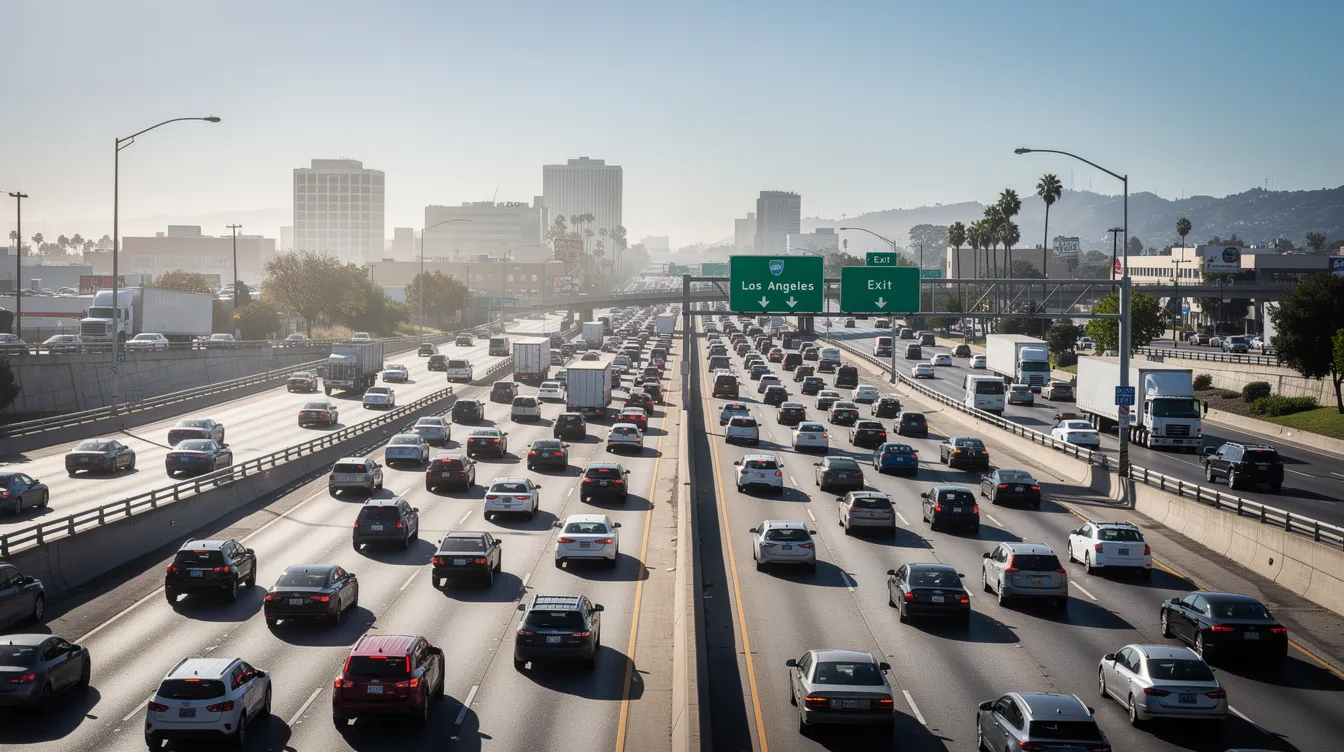
Most people feel shaken after a car accident, and that’s completely normal. Adrenaline clouds your thinking, and it’s easy to forget important details. This section walks you through the first 10-30 minutes after a collision, whether it happens on I-5 near Anaheim, a residential street in Fullerton, or a parking lot in La Mirada.
Safety and health come first. Legal and insurance issues can wait.
Stay Calm and Assess the Situation
Take a few deep breaths. Adrenaline makes your heart race, but staying calm helps you think clearly, remember details, and communicate effectively with police officers and insurance companies later.
Quickly scan for immediate dangers: oncoming traffic, leaking fuel, smoke, or downed power lines. If you see any of these hazards, prioritize getting yourself and others to safety.
Avoid arguing with the other driver or apologizing for what happened. Statements like “I’m sorry” can be misinterpreted later by insurance adjusters. Focus on facts and safety—everything else can wait.
Check for Injuries (Yourself and Others)
Start with yourself. Check for pain, bleeding, or dizziness. Then check your passengers. If it’s safe to do so, check on occupants of other vehicles involved.
Call 911 immediately if anyone has visible injuries, complains of pain, or loses consciousness even briefly. In Orange County, neck, back, and head injuries are common in rear-end and intersection crashes—and many serious injuries aren’t obvious right away.
Move to a Safe Location if Possible
California practice allows you to move drivable vehicles out of active traffic lanes when it’s safe. Pull onto the shoulder, into a nearby parking lot, or to the side of the road.
Turn on your hazard lights immediately. If you have warning triangles or cones, place them behind your motor vehicle to alert approaching traffic. According to Caltrans data, secondary collisions account for 15-20% of freeway incident fatalities.
If your car cannot be safely moved—such as on a crowded stretch of the 405—stay belted inside with hazard lights on until help arrives, unless remaining in the vehicle creates greater danger.
Call 911 or Local Law Enforcement
In California, you should call 911 for any crash involving injury, suspected injury, or significant property damage. The dispatcher needs basic facts: your location (freeway, exit, nearest cross street), number of vehicles involved, obvious injuries, and any traffic hazards.
Depending on where your collision occurs in Orange County, the responding agency may be local police (Santa Ana Police Department, Anaheim PD), California Highway Patrol for freeway crashes, or the Orange County Sheriff’s Department for unincorporated areas.
Exchanging Information and Documenting the Scene
Good documentation taken in the first 15-30 minutes can strongly affect how insurance companies and courts view your case later. Focus on concrete, practical steps you can complete while still at the accident scene.
Avoid discussing fault with other drivers. Don’t guess about speed, visibility, or distractions—stick to objective facts.
Information You Must Exchange Under California Law
Under the California Vehicle Code, drivers involved in a crash with injury, death, or property damage must exchange:
| Required Information |
|---|
| Full legal name |
| Current address |
| Driver’s license number |
| Vehicle registration information |
| License plate numbers |
| Insurance company and policy number |
This duty applies whether the collision happens on a residential street in La Mirada or on State Route 91. Leaving the scene without providing this information can constitute a crime under California’s hit-and-run statutes.
Photograph and Video the Accident Scene
Use your phone to capture:
- Wide shots showing all vehicles and their positions
- Close-ups of vehicle damage
- Skid marks and debris on the road
- Traffic signals and signs
- Any visible injuries
- Weather and lighting conditions (glaring Orange County sun, wet roads after rain)
Photograph the other driver’s license, license plate, and insurance cards (front and back) to ensure accuracy. Handwritten exchanges result in errors approximately 12% of the time.
Gather Witness and Officer Details
Witnesses often leave quickly—about 60% depart the scene within minutes. Politely ask anyone who saw the crash for their name, mobile number, and email address for future reference.
Responding police officers usually provide a business card or accident report number. Store this carefully and note which agency responded (e.g., “CHP Westminster office” or “Santa Ana Police Department”) to make requesting the full police report easier later.
What Not to Say at the Scene
Avoid these statements:
- “I’m sorry” (can be interpreted as admitting fault)
- Guesses about your speed or the other driver’s speed
- Speculation about who caused the crash
- Discussion of prior injuries or medications
Stick to objective facts when speaking with the other driver or police: time, location, direction of travel, and the basic sequence of events. Avoid discussing fault entirely—that determination comes later.
Medical Care in the Hours and Days After the Crash
Many people involved in minor-looking crashes on local roads like Harbor Boulevard or Chapman Avenue skip medical care and later regret it. Prompt evaluation protects both your health and any future car accident claim.

Why You Should See a Doctor Quickly
Injuries like whiplash, concussions, and soft tissue damage can take 24-72 hours to fully appear. About 70% of rear-end collision occupants experience some form of whiplash, with symptoms often peaking around 72 hours due to inflammation.
Early treatment at Orange County urgent care centers, ERs (UCI Medical Center, St. Joseph Hospital), or with your primary doctor creates clear medical records linked to the crash date. Waiting days or weeks makes it easier for insurance adjusters to argue your accident related injuries came from something else.
Common Car Accident Injuries
Common injuries from car accidents include:
- Neck and back sprains (cervical sprains occur in approximately 40% of crashes)
- Herniated discs from whiplash forces
- Shoulder and knee injuries from seatbelts and dashboards
- Concussions (missed in initial assessments about 50% of the time)
- Fractures
- Psychological trauma and PTSD
Even “minor” fender-benders at 20-30 mph can cause lasting pain, especially in older adults or those with pre-existing conditions. Consult a medical professional for any symptom that concerns you.
Documenting Treatment and Symptoms
Keep every medical record: ER discharge papers, X-ray and MRI reports, physical therapy notes, prescriptions, and receipts. This documentation becomes crucial during the insurance claim process.
Consider keeping a simple daily journal recording:
- Pain levels (0-10 scale)
- Missed work days and lost wages
- Sleep problems
- Activities you can no longer do
- Follow up appointments and treatments
This consistent documentation often becomes important in negotiations with insurance adjusters or in Orange County Superior Court.
Reporting Requirements in California
California has specific reporting rules after accidents, separate from any insurance claim. Failing to follow these rules can lead to driver’s license or financial responsibility issues, even if the crash seems minor.
Calling Police or CHP vs. Self-Reporting
California law requires notifying law enforcement for any crash involving injury, death, or significant property damage. For freeway crashes, California Highway Patrol typically responds and generates the collision report.
In many Orange County cities, police may not respond to low-damage, no-injury fender-benders. However, calling to report the incident is still wise for documentation purposes.
California DMV SR-1 Accident Report
California law requires drivers to file an SR-1 form with the DMV within 10 days if:
- Anyone is injured or killed
- Property damage appears to be $1,000 or more (per person or entity)
The SR-1 requires driver details, insurance policy data, and a basic description of the crash. Each involved driver must submit their own form, even if not at fault. Failing to file can cause DMV issues, including potential license suspension for financial responsibility problems under California’s financial responsibility laws.
Obtaining the Police or CHP Collision Report
To request your official collision report:
- Contact the responding agency (Santa Ana PD, Anaheim PD, CHP, etc.)
- Submit requests in person, by mail, or online depending on the agency
- Expect 5-10 business days for routine collisions
- Allow longer for serious injury or fatality investigations
The report number from the responding officer helps expedite this process. Attorneys’ offices commonly help clients obtain these reports as part of case evaluation.
Dealing With Insurance Companies
Both your own insurance company and the other driver’s insurer will likely contact you within days of the crash. Understanding how to handle these communications protects your financial interests.
Notifying Your Own Insurance Carrier
Most auto policies require prompt notice after a crash to preserve coverage. Contact your insurance provider with basic facts: date, time, location, vehicles involved, and whether there were injuries. Avoid discussing fault or speculating about what happened.
Many insurers offer mobile apps or 24-hour claim lines useful right from the scene or soon after during business hours.
Talking to the Other Driver’s Insurance Adjuster
The other driver’s insurance company representative does not represent you, even if the adjuster sounds friendly and helpful. Insurance adjusters work to minimize what their company pays.
Before giving a recorded statement or signing broad medical authorizations, consider consulting legal counsel—especially if you have injuries. A polite response might be: “I’m still receiving medical care and will get back to you after consulting with my attorney.”
Research suggests recorded statements are used against claimants in approximately 35% of disputed cases.
Early Settlement Offers and Their Risks
It’s common for insurers to offer a quick settlement check within days or weeks of the crash, before the full medical picture is known. These early offers may seem appealing but often fall short of covering actual medical expenses, repair costs, and lost wages.
Once you sign a settlement release, you typically cannot pursue compensation later—even if hidden injuries appear. Have any offer reviewed by an experienced car accident attorney before accepting.
Preserving Insurance and Claim Communications
Save everything:
- Letters, emails, and text messages from insurance companies
- Communications with repair shops and medical providers
- Claim numbers and adjuster names
Keep a simple log with dates, times, and names of everyone you speak with about the accident. This paper trail helps reconstruct what was promised and supports your position if disputes arise.
Protecting Your Legal and Financial Interests
Beyond medical care and basic reporting, legal and financial issues can affect your long-term recovery. Each case requires individualized evaluation, but understanding these concepts helps you protect yourself.
Understanding Fault and California’s Comparative Negligence
California uses a pure comparative negligence system. This means your damages are reduced by your percentage of fault in the collision.
Example: If your total damages equal $100,000 but you’re found 30% at fault for the crash, you would receive $70,000.
Police reports, scene photos, and witness statements all help determine fault and establish fault for insurance purposes and, if necessary, before a judge or jury. This affects both personal injury claims and property damage recovery.
Tracking Economic and Non-Economic Losses
Economic losses include:
- Medical bills and future medical expenses
- Lost wages (Orange County’s median daily wage is approximately $800)
- Vehicle damage and repair process costs
- Out-of-pocket expenses (rideshares, over-the-counter medications, co-pays)
Non-economic losses include:
- Pain and suffering
- Anxiety and emotional distress
- Loss of enjoyment of activities
- Impact on relationships
Save receipts for everything—including rental car costs while your damaged property is being repaired at a repair shop.
Common Mistakes to Avoid After a Car Accident
Several common pitfalls can undermine your claim:
Not seeing a doctor promptly allows insurers to question whether injuries are accident-related. Downplaying pain to medical providers creates records that suggest less serious injuries. Admitting fault at the scene or to adjusters can affect legal liability determinations.
Social media posts are particularly risky. Insurance companies review claimants’ profiles in approximately 80% of cases. Photos showing physical activity or casual comments about “feeling fine” can be used to challenge your injury claims. Avoid discussing the accident on Facebook, Instagram, TikTok, or similar platforms until your case is resolved.
Missing deadlines—like the two-year statute of limitations for personal injury lawsuits or the 10-day SR-1 filing requirement—can eliminate your right to a fair settlement entirely.
When It Makes Sense to Talk With an Attorney
While minor property-damage-only fender-benders may not require legal help, certain situations suggest consulting a lawyer:
- Emergency room visit after the crash
- Ongoing pain or serious injuries
- Disputed fault or liability issues
- Uninsured or underinsured other drivers
- Multiple vehicles involved
- An uninsured motorist claim situation
A car accident attorney familiar with Orange County courts—including Santa Ana’s Central Justice Center and North Justice Center in Fullerton—can navigate local procedures effectively. The Law Offices of Anthony J. Nunes offers confidential case evaluations without obligation to file a lawsuit.
How the Law Offices of Anthony J. Nunes Can Help After a Crash
Anthony J. Nunes is an Orange County general practice attorney with over 25 years of experience, with offices in La Mirada and Santa Ana. The firm takes a hands-on, client-focused approach to personal injury and accident cases.

Case Evaluation and Evidence Review
The firm reviews collision reports, photos, medical records, and insurance policies to assess potential claims. The office can help obtain police or CHP reports for crashes in Anaheim, Garden Grove, Fullerton, and surrounding communities.
Attorney Nunes personally discusses timelines, likely issues, and options with each client rather than passing them to a large team of associates.
Handling Insurance Negotiations and Claims
The firm communicates directly with insurance adjusters, protecting clients from unfair questioning, lowball offers, or pressure to settle quickly before understanding the actual cash value of their claim.
Medical bills, wage loss documentation, and other expenses are organized into clear demand packages for settlement discussions. Clients remain in control of whether to accept a settlement; the lawyer provides experienced guidance and negotiation skills to help achieve fair settlement outcomes.
Litigation in Orange County Courts When Necessary
If insurers refuse to resolve a valid claim fairly, the firm can file a lawsuit in Orange County Superior Court. Typical litigation steps include filing a complaint, discovery, depositions, mediation, and possible trial.
Many cases still settle before trial, but having an attorney prepared for court often improves negotiation leverage.
Frequently Asked Questions About What to Do After a Car Accident
These FAQs address common concerns that arise after the immediate aftermath of a crash is handled.
How long do I have to file a car accident injury claim in California?
As of 2026, most personal injury lawsuits from car accidents in California must be filed within two years of the crash date under California law. Property-damage-only claims typically have a three-year deadline.
Claims involving government vehicles or dangerous road conditions require a written government claim within six months—a much shorter timeframe. Speak with a lawyer promptly after a serious crash to avoid missing deadlines related to Orange County or state entities.
What if the other driver doesn’t have insurance or leaves the scene?
If the at-fault driver is uninsured or flees the scene, your own uninsured motorist (UM) or underinsured motorist (UIM) coverage may apply. California insurers must offer this coverage, though policy limits vary.
Report hit-and-run incidents to police authorities immediately—this is especially important for crashes on freeways like the 55 or 57. An attorney can review your auto policy to identify what UM/UIM protections you have and how to pursue those claims.
Can I get a rental car after a crash, and who pays for it?
Rental coverage depends on your specific insurance policy. Some California policies include daily rental benefits (typically $30-50/day) while others don’t.
If the other driver is clearly at fault and insured, their carrier may eventually reimburse reasonable rental costs during repairs or total loss evaluation. Keep all rental receipts and discuss coverage limits with your own insurer.
Do I need a lawyer for a minor fender-bender with no injuries?
Many small property-damage-only collisions can be handled directly with insurers, especially if everyone is clearly unhurt and damage is modest. The claims process for minor incidents is often straightforward.
However, if any pain develops in the days after even a low-speed crash, consider consulting both a doctor and an attorney before accepting payment. The Law Offices of Anthony J. Nunes offers a free consultation to help you think through whether legal help makes sense for your situation.
I’m not a U.S. citizen. Can I still bring a claim after a California car accident?
Yes. In California, the right to bring an injury claim and pursue compensation does not depend on citizenship or immigration status. Injured people may seek recovery regardless of their documentation status.
Individuals in this situation should be cautious about what they share and seek confidential legal advice from a trusted local attorney. Anthony J. Nunes has extensive experience working with diverse Orange County communities and can discuss your legal rights privately and without obligation.